


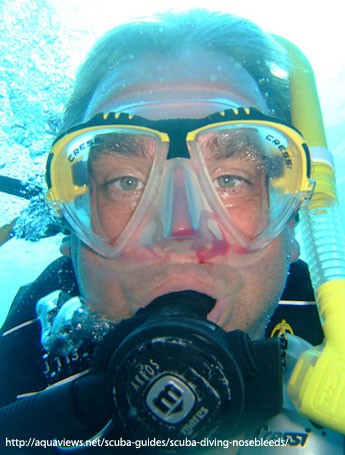
The term “sinus” can mean any channel, hollow space, or cavity in a bone, or a dilated area in a blood vessel or soft tissue; most often sinus refers to the four, paired, mucus-lined air cavities in the facial bones of the head. The same kind of membrane lines the sinuses and nose, so nasal infections spread easily to the sinuses. In sinusitis, muc

Are you looking for a high-quality, convenient, applicable CME/CEU course in undersea medicine, hyperbaric medicine, and wound care? Join us this month (August 22-23) for a unique and dynamic two-day CME/CEU accredited event that will give you the tools you need to create an exceptional practice in diving and undersea medicine, hyperbaric medicine,
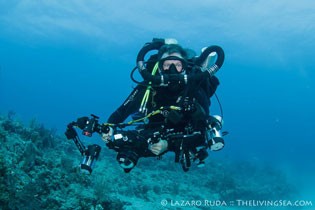
An experienced open-circuit diver was trying the “latest, greatest” rebreather during an introductory dive experience. After a few minutes of cursory instruction, she entered the water and began her grand adventure. Descending gradually to 15 fsw (5 msw), she kept close watch on her gauges. After a few minutes, she felt that things “just weren’t ri
Cave diving is a specialized form of diving that can be performed in both inland freshwater caves and oceanic “blue holes.” To scientists, caves offer new laboratories for research. In cave diving, the emphasis should be placed on developing the proper psychological attitude, training in specialized techniques and life-support systems, dive plannin
We will always face the problem in a given patient, and with any condition, of not knowing how much benefit is possible from using more oxygen in treatment. This dilemma is far from being unique to the use of oxygen, it also applies to the use of drugs. The answer is simple—it needs professional medical assessment of the response of an individual
Death from bone marrow and fat embolism is rare and, obviously, after minor trauma exceedingly rare, although there will undoubtedly be many cases that have not been published and many others that will have gone unrecognised. Deep venous thrombosis and pulmonary embolism after aircraft flights were thought to be rare but, with publicity, emergenc
Convulsions in the Water: Dive Accident Management and Emergency Procedures A convulsion in itself rarely causes injury, but the secondary consequences for a scuba diver can be disastrous. First, the intense muscle contraction of the neck and jaw can cause the diver to spit out the mouthpiece, which is difficult to reinsert. Consequently, the diver
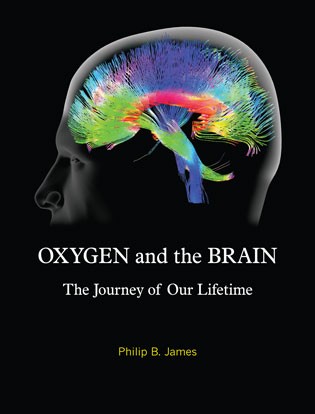
Stroke symptoms The symptoms typical of a stroke are not always associated with blockage of a major blood vessel in the brain; symptoms indistinguishable from stroke may affect patients labelled as having multiple sclerosis—only the age of the patient and a history of other symptoms allow it to be distinguished from a stroke. A condition that must
"When we have a stroke, our brain is starved of oxygen, causing the catastrophic death of nerve cells and leaving us paralysed and unable to speak." - Colin Blakemore, neuroscientist quoted in the Daily Telegraph, March 2010. What is a stroke? Stroke is an ill-defined lay term that has forced its way into general use in medicine to describe a varie
The danger from sharks to humans is a combination of size, aggression, and dentition. Any shark over 3 ft (0.9 m) long should be regarded cautiously, and if over 8 ft (2.4 m) long, should be avoided even if this requires that the diver leave the water. For example, grey reef sharks (Carcharhinus amblyrhynchos) that range between 3–7 ft (0.9–2.1 m)
